


.jpg)
.jpg)
Planning your next holiday should be something you look forward to, not just another task on the list. Yet, most of us have found ourselves caught up in comparing flights, browsing countless hotels, and trying to make everything fit within a budget. It's easy to feel overwhelmed before you've even started.
Slowing things down helps. When you plan with a clear head, even the smallest details start to feel easier. This guide will take you through each step, from shaping your trip to packing light for your holiday.
Shape Your Trip in 10 Minutes (The SHAPE Method)
Before you book a single flight or hotel, give yourself 10 minutes to work out what you actually want from this holiday. It helps cut through the noise and gives the trip some direction.
Grab a notebook or open a notes app and jot down your SHAPE:
S - Schedule: Choose your travel dates and decide how much time you can realistically dedicate to your trip.
H - How you'll travel: Do you want a laid-back, leisurely experience, or something more active and full-on? For example, some people prefer a ski holiday by coach, while others opt to fly for speed and flexibility.
A - Amount to spend: Set a comfortable budget you won’t regret later, keeping in mind flights, accommodation, food, and activities.
P - People: Who’s coming along? Think about what everyone enjoys, whether it’s relaxing on a beach or hiking through mountains.
E - Experiences: List a few things you don’t want to miss once you’re there.
Taking this step early helps organise your plans, so everything that follows feels easier and more focused.
What to Book First (and What Can Wait)
When your trip starts coming together, it’s easier to start booking. A bit of planning early on saves you from scrambling later.
Here’s a simple order to follow that keeps your planning on track:
Dates
Choose travel dates that work for everyone. Be sure to check the weather, local holidays, and any major events that might impact your plans.
Base
Think about what you’ll be doing most days and choose somewhere that keeps travel time short and simple.
Transport
Sort your transport early to avoid last-minute price jumps. Prices and availability change fast, especially during peak seasons. Whether you're flying, taking the train, or joining a coach holiday, booking in advance usually gives you more options and better rates—particularly for a short ski break.
Documents
Ensure your passport is valid and that your insurance covers your planned activities, especially if you’re planning anything beyond standard sightseeing. Check visa requirements early, as rules can vary by destination and change over time.
Accommodation
Find somewhere that matches the type of trip you want, whether simple and practical or more upscale, ideally close to the lifts and local amenities. For example, in Courmayeur, the Hotel Lo Scoiattolo is well located between the main cable car and the Dolonne gondola, making mountain access easy
Activities
Plan ahead for tours and attractions that fill up quickly, but keep some time open for flexibility.
Food
Save a few local restaurants or cafés in advance, especially for your first night when you’ll want something easy and close by.
Booking in this order helps you stay organised and ensures you don’t miss important details, making your trip smoother from the start.
The Five-Part Budget Plan for Stress-Free Travel
Money is often what turns an exciting trip into a stressful one. But planning your budget doesn't have to be complicated. Instead of tracking every little expense, divide your costs into five simple parts.
- Travel
Include your flights, trains, buses, or car hire. Prices can vary by day or season, so check ahead. Travelling during the shoulder season, just before or after peak ski holiday, can save you money. Destinations like Andorra and the Aosta Valley offer good value during these quieter periods with fewer crowds and better prices. - Stay
List the full cost of your accommodation, including small extras like local taxes or cleaning fees that are easy to miss. - Food
Estimate your meal expenses, but allow some flexibility. Leave room for trying local delicacies or a special restaurant that everyone talks about. - Activities
Prioritise the experiences you really want, whether it's a guided tour, a cooking class, or a day trip. Budget for these first, then fill in the rest of your itinerary with more casual activities. - Keep a little extra aside
It always comes in handy, whether for an unexpected taxi or a souvenir that makes you smile.
A plan like this helps you manage your spending without feeling like you’re micromanaging. If your plans shift, these categories help you adjust quickly and stress-free.
Carry-on Packing System
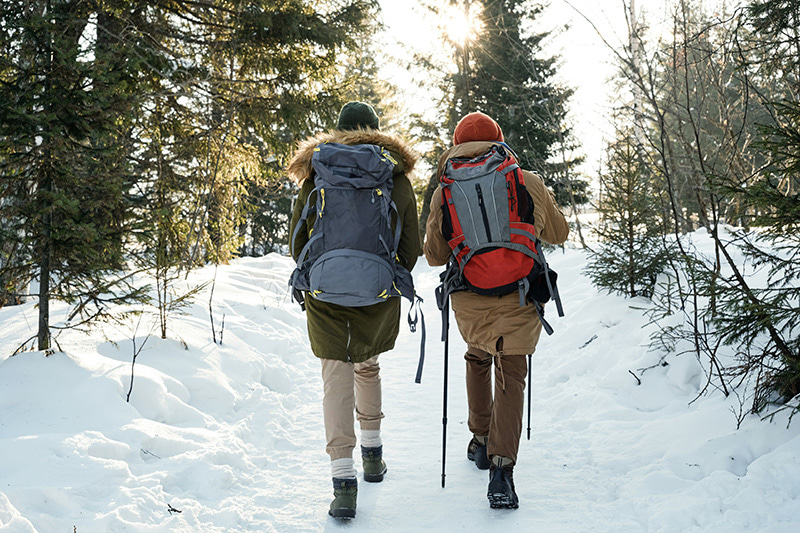
Packing light is one of the best sustainable travel tips you can follow. It saves space, cuts waste, and makes your trip easier from day one. The key is to focus on what you’ll really use.
Start with a plan
Think through your days before you pack. What will you actually be doing? Planning this way helps you choose what you’ll use, not what you might use.
Build around a few reliable pieces
Choose clothes that work within the same colour family and similar materials. That way, you can mix and match outfits without overpacking.
Pack small but smart
Go for compact items that serve more than one purpose, such as a jacket that works day to night, a tote that doubles as a beach bag, or shoes you can walk in all day.
Keep things organised
Use small pouches or packing cubes to group clothes, tech, and toiletries. This saves time unpacking and keeps everything easy to find.
Leave space for flexibility
Don’t fill every corner of your bag. A little extra space leaves room for souvenirs or simply makes travel days feel lighter.
When everything in your bag has a purpose, it’s easier to focus on the trip instead of what you forgot.
Smart, Simple Safety Steps for Any Holiday
A little planning ahead can save you a lot of stress later. Things don’t always go to plan when you travel, but being ready for small surprises makes them easier to handle.
Here’s how to stay safe without overthinking it:
- Back up your essentials in two ways
Email copies of your passport and bookings to yourself, and keep them available offline as well. A photo on your phone helps when Wi-Fi is down, and a small printout can save you if your battery dies. - Keep your phone ready for anything
Download offline maps, translation apps, and local taxi numbers before you go. Set up “lost mode” in your phone settings so you can lock it remotely if needed. - Learn what to do, not just where to go
Instead of memorising tourist spots, take a few minutes to note nearby hospitals, late-night pharmacies, or embassy contacts. - Use your money smartly
Split your cards between bags, and activate travel notifications on your banking app. This helps avoid blocked payments and alerts you to anything unusual. - Keep your instincts in charge
If something feels off, stay alert and give yourself space. Your instincts are there for a reason.
It's not about being cautious all the time, but about knowing you’re prepared to handle small issues if plans change.
Sustainability Made Easy
Being a sustainable traveller isn’t just about what you cut out, but how you give back to the places you explore.
Find hidden gems
Try exploring smaller villages or quieter areas for a change. You’ll often see a more local side of your destination and might stumble across a great eatery or a place worth talking about.
Lighten your footprint
If you can, take public transport or share rides instead of booking private transfers. Even small choices help reduce your carbon impact.
Support local makers
Buy souvenirs directly from artisans or small markets. It keeps your money within the community and gives you something more meaningful to take home.
Travelling sustainably is really about respect—for the place, the people, and even yourself. The less harm you leave behind, the better every trip feels.
Build a Simple Itinerary That Flows
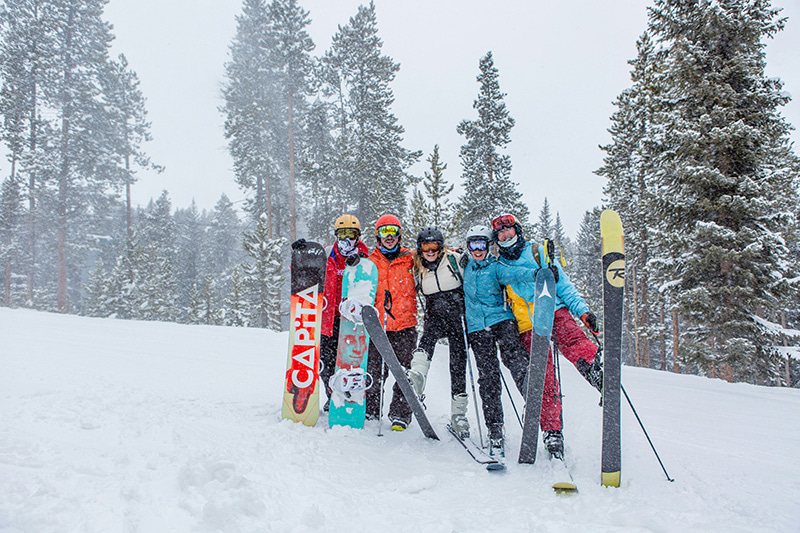
Once your plans are set, it helps to map out a loose outline for each day. Think of it as a guide, not a schedule. You want enough structure to stay organised, but still plenty of room for surprises.
- Start with the big moments
List the things you’re most looking forward to, and don’t pack them too close together. It’s better when you can take your time. - Add buffer time
Don’t pack your schedule too tight. Give yourself time to travel, eat, or just breathe. A quiet morning or slow evening can make the whole trip feel lighter. - Plan for the “what ifs”
Have a rainy-day idea or an alternative in case something changes. Even a simple backup plan helps things run smoother. - Ease into it
Keep your first afternoon light. After travelling, you’ll appreciate a walk, an easy meal, or just getting to know the area around your stay.
A flexible itinerary keeps things simple. You’ll see more, stress less, and enjoy the moments that weren’t planned at all.
One Last Thing
Planning a holiday should feel easy, not exhausting. Once you know what matters most and take it step by step, everything starts to fall into place.
With Interski Holidays, you don't have to worry about juggling bookings. Our team is in resort, we have our own ski hire available when you book a package with us, and the biggest British-run ski school in the Alps is just for our guests. From lift passes to equipment and a place to stay, we’ve got it covered.
Send us a message and we’ll handle the details, leaving you free to enjoy the experience.
Frequently Asked Questions
What order should I book things in when planning a holiday?
Start with your dates, then choose your base location and main transport. After that, sort your documents, book accommodation, and secure any key activities or tours. This simple order helps avoid double-booking or missing deals.
How early should I buy travel insurance?
Buy it as soon as you have confirmed your trip. That way, you are covered if anything changes before you leave, from cancellations to medical emergencies.
What is the easiest way to plan a trip from scratch?
Begin with your trip shape: your dates, budget, people, and must-dos. Once those are set, you can book in order and stay organised. It is a simple way to plan a holiday without stress.
How can I make my holiday more sustainable?
Use public transport when possible, bring reusable items, and support local cafés or markets. These small steps are easy sustainable travel tips that make a real difference.
Do I need a holiday planning checklist?
A checklist keeps everything in order and saves you from forgetting the little things that matter—like chargers, bookings, or key phone numbers.

.JPG)
.jpg)
.jpg)