


.jpg)
.jpg)
Planning a ski trip from the UK usually comes with one big decision: how to get there. Ski train holidays have become increasingly popular, giving travellers a relaxed, scenic, and greener way to reach the Alps. Still, the train isn’t always the most practical choice—seats can sell out quickly, routes are limited, and at times flying or driving may be faster or cheaper.
This guide looks at both sides. We’ll cover the main advantages of travelling by train, highlight when it may not be the right choice, and explore the smartest alternatives so you can find the journey that fits your budget, schedule, and style of holiday.
Why Choose a Ski Train Holiday
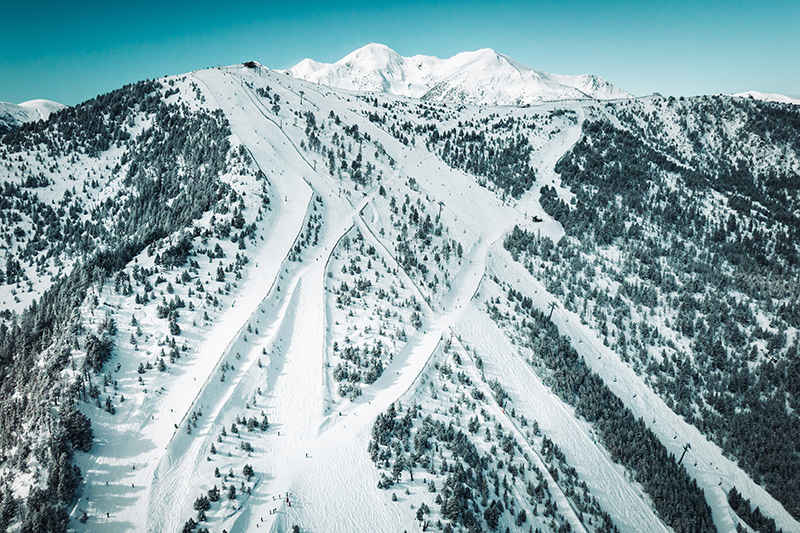
For many skiers, the appeal of the train lies in what it avoids. No baggage queues, no liquid restrictions, and no long drives on icy roads. Instead, you can step aboard in London, settle into your seat, and watch the landscape shift from countryside to mountains.
The main advantages are:
- Comfort – more legroom than most budget flights, the freedom to move around, and no need to drive for hours on end.
- More room for kit – skis, boards and boots can usually be taken without the extra charges that airlines add.
- Eco-friendly – travelling by train produces far fewer emissions than a short-haul flight.
- Part of the trip – watching the scenery change as you roll into the Alps makes the journey feel like the start of the holiday itself.
For families, the train can take a lot of pressure off. You avoid dragging tired kids through airport queues or keeping them cooped up on a long overnight drive, and train schedules often fit well with school holiday dates.
When the Ski Train Isn't Right
As appealing as it is, the ski train doesn’t suit everyone. Some of the common drawbacks include:
- Limited seats – direct trains book up quickly, particularly during the school holidays.
- Restricted choice – it’s great for certain French resorts, but reaching destinations like Italian ski resorts or Austra usually means extra changes.
- Peak pricing – once the cheapest tickets are gone, flying can sometimes work out cheaper.
- Fixed schedules – you can’t just leave later or break up the trip, which can be tough with younger children.
In short, the train is fantastic when it aligns with your plans—but if it doesn’t, there are plenty of smart alternatives.
Best Ski Train Alternatives
If the ski train doesn’t fit your plans, there are three main ways to reach the mountains from the UK:
Flying
Still the quickest option, with direct flights from UK airports to Geneva, Innsbruck, Turin and all the Milan airports. Transfers add extra time, but for many resorts the total journey is shorter than by train. Budget airlines can be good value if you book early, though baggage is rarely included and if you’re carrying your own skis and boots the final price can very quickly increase. With Eurostar planning a direct route to Geneva, train travel could become a faster, greener alternative for UK skiers in the near future.
Driving
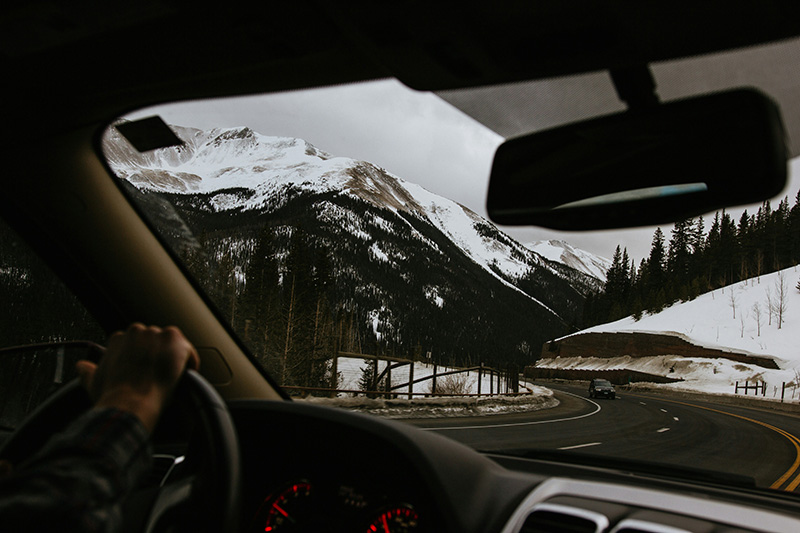
Ideal for families or groups who want flexibility. You can pack as much gear as you like, stop en route, and split the cost of fuel and tolls. The downside is the long drive—around 8–12 hours from Calais to most Alpine resorts—plus the challenge of winter roads.
If you’d rather not handle the drive yourself, coach holidays are a great alternative. You can relax while everything from transport to accommodation is organised for you, making it a stress-free way to reach the slopes.
Night trains and connections
A growing alternative is combining the Eurostar with continental rail services like France’s TGV or Austria’s NightJet. These routes open up destinations the direct ski train doesn’t reach, from St Anton to the Aosta Valley. Overnight trains are particularly useful, doubling as both transport and accommodation.
Cost and Time Comparison
Every travel option has trade-offs. Here’s a quick overview of how they stack up for a typical UK–Alps trip:
| Travel Option | Approx. Time (London → Alps) |
Typical Cost* | Key Pros | Key Cons |
|---|---|---|---|---|
| Ski Train | 8-10 hrs | £150–£300 return | Comfortable, eco-friendly, easy luggage | Limited routes, peak fares |
| Flying | 2 hrs flight + 2-3 hrs transfer | £100–£250 return (+ bags) | Fastest overall, wide choice of resorts | Airport stress, baggage fees |
| Driving | 10-14 hrs (from Calais) | £400–£600 per car | Flexible, good for groups, take all kit | Long hours, winter roads |
| Night Train/Connections | 12-16 hrs | £180–£350 return | Wider resort access, overnight travel saves hotel | More changes, longer journey |
*Costs vary by season, booking date, and group size.
Final Thoughts
Ski trains give you a calm and scenic way to reach the Alps, but they will not suit every trip. Flying can be faster. Driving gives you more control. Night trains work well if you want to travel while you sleep. Choose the travel option that fits your plans and helps you start your holiday in the right mood.
Once you’ve decided how you’re getting there, we can help shape the rest of the journey. Whether you prefer travelling by coach or by air, Interski Holidays can organise the full package so everything clicks into place when you arrive. No scrambling for lift passes, no last-minute rental stress, no wondering where to book lessons.
Ready to plan your trip? Get in touch with us today and we’ll help you plan a ski holiday that works for you.

-image(700x470-crop).jpg)
.JPG)
.jpg)